“Grade II” search results (200)

Classification standard of raw coffee beans
There are two ways to classify raw coffee beans, one is the filter number, and the other is the elevation.
2014-06-04 Coffee knowledge coffee raw beans grading standards
There are two ways to grade green coffee beans.
There are two ways to grade coffee beans, one is to filter the number of points, one is to elevation points. The size of the round beans is generally smaller than the flat beans, the round beans are between 8-13, and the flat beans are between 12-29. 8,9,10... 12,13... 18... 29= ,,......, Extra large. The bigger the number, the bigger the bean. SC-19, for example, is bean number 19.
2015-11-03 coffee green beans grading method two
Introduction to the characteristics of coffee flavor and taste of Ethiopian coffee manor with long, pointed beans
The highest grades of Ethiopian washed coffee Yega Chuefei G1 G2 Sidamo (Yirgacheffe, Sidamo) are Grade 2 and Grade 3 (G2, G3), while most of the sun-processed coffee in eastern Ethiopia are Grade 4 or Grade 5 (G4, G5). In many cases, level 4 coffee is marked as level 5 in order to reduce taxes. At present, the grading is not uniform and messy, because there is also sun processing.
2016-09-06 Skinny long body Ethiopia coffee manor flavor taste characteristics introduction
Taste characteristics of Ethiopian Coffee Manor Flavor description and introduction of varieties producing areas
Ethiopian coffee beans grow in close to the natural environment, after years of planting under the same growth conditions, Ethiopian coffee beans have gradually adapted to the environment here. More than 60% of coffee beans are grown in forests or semi-forests. Large-scale coffee-growing villages account for about 35% of the country's total coffee production. Many of these are used.
2016-10-15 Ethiopia Coffee Manor Flavor description processing Taste characteristics varieties
Introduction and grading of Colombian coffee beans
Colombian Coffee our Colombian coffee producing area is located in the city of Hughton Bollivar in the Medellin region of the northern Andes in South America, where the climate is mild, humid and sunny. And our Fallorence Mountains are right here, and hard-working farmers are growing coffee along the highlands of these mountains. The mountain steps provide a diverse climate, which means that throughout the year
2015-11-23 Columbia Coffee beans introduction grading Colombian Coffe
The Magic of Coffee + Tea Business Model: defeating the decline of the Financial crisis
Information, pictures. (photo: manager Magazine) the British fermented Chinese teapot culture for many times. In 2008, Starbucks Chairman Howard Schultz introduced tea in Starbucks coffee shops around the world for the first time in order to save the company from the financial crisis. After that, Harvard quickly turned the business case into a classic. Howard can really rely on this innovation.
2014-04-27 Coffee business model magic defeat finance crisis decline profile picture picture
Ethiopian Coffee Manor Flavor description method introduction to the characteristics of Fine Coffee in producing areas
The Jima mocha washed in Ethiopia looks very clean, but somewhat untidy, while untidiness is a nightmare of baking, which is always uneven in depth. In order to appreciate the original flavor, try not to pick too much, so as not to affect the overall taste. Because it is a new coffee bean with high water content, it needs to be roasted a little deeper and baked over low heat.
2016-10-14 Ethiopia Coffee Manor Flavor description treatment Variety producing area characteristics
Standard for grading coffee beans
There are two ways to grade coffee beans, one is to filter the number of points, one is to elevation points. It is divided by the filter number and the size is determined by the mesh size. Round beans are generally smaller than flat beans, round beans between 8-13, flat beans between 12-29. 8,9,10... 12,13... 18... 29 = Small, Medium, Normal... It's a big... big, extra big. The bigger the number, the bigger the bean. Like SC
2015-01-08 quality coffee common sense green beans grading standard method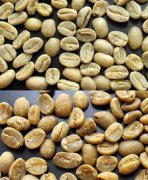
Grading of raw coffee beans there are two ways to grade raw coffee beans.
There are two ways to classify raw coffee beans, one is the filter number, and the other is the elevation. It is divided by the filter number, and the size is size in terms of the screen size. Round beans are generally smaller than flat beans, between 8-13 and 12-29. 8, 9, 10. 12, 13. 18. 29 = small, medium, ordinary. Quasi-big. Big, extra large. The bigger the size, the bigger the beans. Like SC-.
2015-06-05 Coffee beans grading coffee raw beans methods two kinds
Graded high-quality coffee beans
There are two ways to classify raw coffee beans, one is the filter number, and the other is the elevation. It is divided by the number of the filter screen, and the size is in the unit of the screen (size). Round beans are generally smaller than flat beans, between 8-13 and 12-29. 8, 9, 10. 12, 13. 18. 29 = small, medium, ordinary. Quasi-big. Big, extra large. The bigger the size, the bigger the beans. Like SC.
2014-09-13 Grading of raw coffee beans boutique coffee beans
Grading standard of raw coffee beans
There are two ways to classify brown raw beans, one is to filter the number, and the other is to divide it by elevation. It is divided by the number of the filter screen, and the size is in the unit of the screen (size). Round beans are generally smaller than flat beans, between 8-13 and 12-29. 8, 9, 10. 12, 13. 18. 29 = small, medium, ordinary. Quasi-big. Big, extra large. The bigger the size, the bigger the beans. Like SC-1.
2014-08-20 Coffee knowledge grading standards coffee raw beans
Low acidity, moderately roasted coffee beans, Brazilian coffee, fine coffee, black coffee.
Boutique coffee has a strict grading system. Generally, raw beans are preserved in parchment coffee beans in the form of endocarp after processing, and the endocarp is removed before export. Go through a strict grading process to ensure the uniformity of quality. And it is very important to preserve the protection in the process of transportation, such as the control of temperature and humidity, the control of ventilation, avoiding odor adsorption and so on.
2016-06-17 Acidity medium roasted coffee beans Brazil coffee flavor boutique
Classification standard of coffee raw beans for fine coffee
There are two ways to classify raw coffee beans, one is the filter number, and the other is the elevation. It is divided by the number of the filter screen, and the size is in the unit of the screen (size). Round beans are generally smaller than flat beans, between 8-13 and 12-29. 8, 9, 10. 12, 13. 18. 29 = small, medium, ordinary. Quasi-big. Big, extra large. The bigger the size, the bigger the beans. Like SC.
2014-09-03 Coffee knowledge boutique coffee beans coffee raw beans coffee bean grading
Colombian coffee, the second largest coffee producer in Brazil.
The global trend of modern coffee has gone through three popular stages: the first stage is the popularity of cheap coffee represented by instant coffee from the post-World War II to the 1960s; the second stage is the popularity of commercial coffee represented by Starbucks from the 1960s to the beginning of this century; the third stage is the popularity of boutique coffee, which originated in the 1970s and has become a trend in the past decade.
2016-06-20 Brazil second largest coffee producing country Colombia flavor
What are the differences between different coffee varieties?
Brazil (South America) Santos Coffee: The taste is mellow, neutral, can be boiled directly, or mixed with other types of coffee beans, it is also a good choice. II. Colombia (South America) Mantenin: Rich and solid in taste, with a pleasant sour taste. Aroma mellow, moderate acidity, rich sweetness is very interesting, suitable for deep baking, exudes a thick
2016-05-25 different coffee varieties there what place brazil south america dos taste
Kenya AA Arabica Coffee Plantation African Coffee
Kenya can be said to be the dynamic element of the premium Arabica green bean market. Kenya's highest grade coffee is generally not traded in the same way as Kenya AA or Kenya AB in circulation, but through special auctions, and its transaction price is much higher than that of premium coffee. Of course, Kenya AA coffee and by specific
2016-05-04 kenya rabbi coffee beans cultivation estate africa
Quality coffee beans, knowledge, classification of raw coffee beans
There are two ways to classify raw coffee beans, one is the filter number, and the other is the elevation. It is divided by the number of the filter screen, and the size is in the unit of the screen (size). Round beans are generally smaller than flat beans, between 8-13 and 12-29. 8, 9, 10. 12, 13. 18. 29 = small, medium, ordinary. Quasi-big. Big, extra large. The bigger the size, the bigger the beans. Like SC.
2015-01-04 Boutique coffee beans knowledge coffee raw beans grading methods
Introduction to Italian latte Caff è Latte
The history of the latte this is the story of 1683. This year, the Turkish army attacked Vienna for the second time. The then Emperor Augustus I of Vienna had an offensive and defensive alliance with King Augustus II of Poland, and as soon as the Poles heard the news, reinforcements would arrive quickly. But the question is, who will break through the siege of the Turks to deliver letters to the Poles? Used to swim in Turkey
2015-04-08 Italy latte coffee Caff Latte introduction iron history
Standard for grading of fine coffee beans, common sense coffee and raw beans
It is divided by the number of the filter screen, and the size is in the unit of the screen (size). Round beans are generally smaller than flat beans, between 8-13 and 12-29. 8, 9, 10. 12, 13. 18. 29 = small, medium, ordinary. Quasi-big. Big, extra large. The bigger the size, the bigger the beans. SC-19, for example, is the No. 19 bean. According to the elevation of the cultivated land, it can be divided into seven grades.
2015-01-13 Boutique coffee beans common sense coffee raw beans grading standards filtering number size
Introduction to the grades of coffee beans in Kenya
Kenya can be said to be a dynamic element of the high-end Arabica raw bean market. The highest grade coffee in Kenya is not generally traded in the same way as Kenya AA (Kenya AA) or Kenya AB (Kenya AB) in circulation, but is traded through specific auctions at a much higher price than premium coffee. Of course, Kenyan AA coffee and through specific
2016-06-06 Kenya coffee beans grades introduction